Is Your Rochester Home Ready for a New Water Heater?
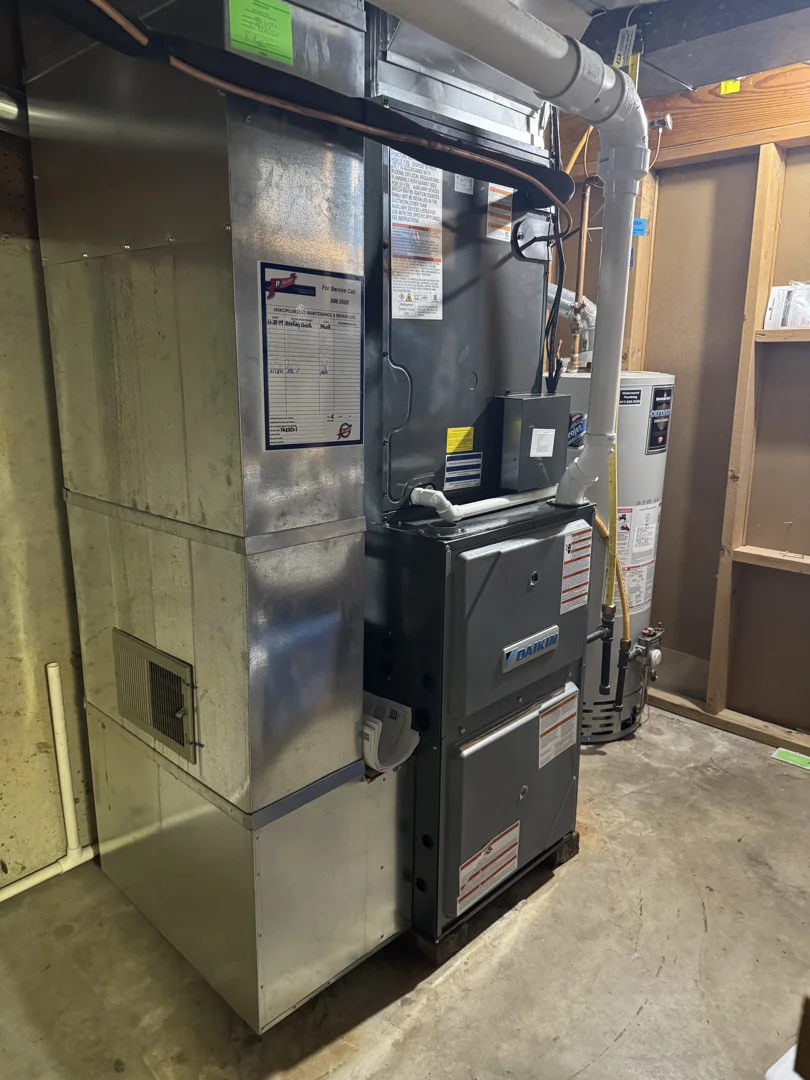
Water heater installation in Rochester, IL is one of the most important home service decisions you'll make — and getting it right means more than just buying a new unit. Whether your current water heater is aging, leaking, or simply struggling to keep up with your household's demands, the wrong installation choice can lead to cold showers, higher energy bills, and costly repairs down the road.
Rochester's cold Illinois winters make reliable hot water a genuine necessity, not a luxury. And with local hard water conditions adding extra strain on water heating systems, homeowners here face some unique challenges that make professional guidance especially valuable.
Here's a quick overview to help you find the right path forward:
Quick Guide: Water Heater Installation in Rochester, IL
- When to replace: Units over 10 years old, rusty water, rumbling noises, leaks, or inconsistent temperatures
- Types available: Tank (gas or electric), tankless (on-demand), and hybrid heat pump water heaters
- Installation time: 2-4 hours for standard tank replacement; 4-8 hours for tankless
- Permits: Yes — a plumbing permit is typically required in Rochester/Sangamon County
- Maintenance: Annual flushing, anode rod inspection, and pressure relief valve testing
- Hard water impact: Accelerates sediment buildup and anode rod wear — factor this into your unit choice
The sections below walk you through everything you need to know, from spotting the warning signs to choosing the right unit and understanding what a professional installation actually involves.
Why is professional water heater installation in Rochester, IL essential for your home?
When it comes to water heater installation in Rochester, IL, the "DIY" route or hiring an unlicensed handyman can lead to a world of trouble. A water heater is a complex piece of machinery that sits at the intersection of your home’s plumbing, electrical, and often gas systems. Getting it wrong doesn't just mean a leak; it can pose serious safety risks to your family.
Professional Water Heater Replacement Rochester IL ensures that your new unit meets all current safety standards and local building codes. In Rochester and surrounding Service Areas Rochester IL, these codes exist to protect you. For instance, gas-powered units require precise venting to prevent carbon monoxide from backing up into your living space. An expert installer knows exactly how to calculate vent slope and diameter to keep your air clean.
Furthermore, we focus on critical safety components like Temperature and Pressure (T&P) relief valves and thermal expansion tanks. Without these, your water heater could theoretically become a pressurized hazard. By adhering strictly to manufacturer specifications, we also ensure that your equipment warranty remains valid, providing you with long-term peace of mind.
What are the signs I need a new water heater installation in Rochester, IL?
How do you know if you are looking at a simple repair or if it is time for a full Water Heater Replacement Rochester IL? Often, your water heater will try to tell you it's failing before it finally gives up the ghost.
- Advanced Age: Most standard tank units have a lifespan of 10 to 15 years. If your unit is over a decade old, it is statistically more likely to fail soon.
- Rusty or Discolored Water: If you notice a metallic taste or a reddish tint to your hot water (but your cold water is clear), the inside of your tank is likely corroding.
- Strange Noises: Popping, rumbling, or cracking sounds are usually caused by sediment buildup at the bottom of the tank. As the water trapped under the sediment boils, it creates these unsettling noises.
- Inconsistent Temperatures: If your morning shower starts hot but turns lukewarm within minutes, your heating elements or dip tube may be failing.
- Visible Leaks: Any moisture around the base of the tank is a major red flag. A leaking tank cannot be repaired; it must be replaced to avoid a catastrophic flood in your basement or utility closet.
How do I choose the right unit for my water heater installation in Rochester, IL?
Choosing a new water heater isn't a one-size-fits-all process. You need to balance your household's hot water demand with your budget and energy efficiency goals.
| Feature | Standard Tank | Tankless (On-Demand) | Hybrid Heat Pump |
|---|
| Upfront Cost | Lower | Higher | Moderate to High |
| Efficiency | Standard | Very High | Extremely High |
| Lifespan | 10-15 years | 20+ years | 10-15 years |
| Hot Water Supply | Limited to tank size | Endless | Limited to tank size |
| Space Needed | Significant | Minimal (Wall-mount) | Significant |
Many Rochester homeowners are moving toward Tankless Water Heaters Rochester IL because they provide an endless supply of hot water and take up very little space. However, if you have a large family with high simultaneous demand (three showers running at once), you'll need to ensure the tankless unit is sized correctly for those "peak" moments.
If you prefer electric, a hybrid heat pump water heater is an incredible option. These units pull heat from the surrounding air to warm the water, making them two to three times more efficient than a standard electric tank. We also consider fuel sources—whether you have natural gas or rely on electricity—as this significantly impacts the installation requirements.
How does Rochester’s hard water affect my new system?
If you live in Central Illinois, you know all about hard water. Rochester’s water supply contains minerals like calcium and magnesium that, while safe to drink, are "plumbing killers."
In the context of Plumbing Rochester IL, hard water leads to rapid sediment accumulation. When water is heated, these minerals settle at the bottom of your tank, creating a layer of "scale." This scale acts as an insulator, forcing your water heater to work much harder to heat the water through the buildup. This leads to higher energy bills and eventually causes the bottom of the tank to overheat and fail.
Furthermore, hard water accelerates the corrosion of your anode rod—the "sacrificial" rod designed to rust so your tank doesn't. In Rochester, we often recommend more frequent Water Heaters Rochester IL maintenance or the installation of a water softener to protect your investment and extend the life of your new unit.
What should I expect during the professional installation process?
We believe in transparency, so you should know exactly what happens when our team arrives for a water heater installation in Rochester, IL.
- Initial Consultation: We assess your home's current plumbing and venting infrastructure to ensure the new unit is a perfect match.
- Safe Removal: We carefully drain and disconnect your old unit, disposing of it responsibly so you don't have to worry about the mess.
- Professional Implementation: We install the new unit, ensuring all gas, water, and electrical connections are secure. We often install thermal expansion tanks and high-quality shut-off valves as part of our best-practice approach.
- System Testing: We don't just "hook it up and leave." We test the T&P valve, check for gas leaks using specialized equipment, and verify that the water reaches the correct temperature.
- Homeowner Education: Before we head out, we walk you through the operation of your new unit. If you've upgraded to a tankless system, we'll show you how to adjust the digital settings. We also provide a Water Heater Repair Rochester Guide to help you understand what to look for in the future.
Frequently Asked Questions about Rochester Water Heaters
How long does a standard installation take?
A standard "like-for-like" tank replacement typically takes between 2 and 4 hours. However, if you are switching from a tank to a tankless system, expect the process to take 4 to 8 hours. This is because tankless units often require new venting, larger gas lines, or electrical upgrades. If you find yourself in a bind, check out our Water Heater Installation Same Day Springfield IL Guide for tips on emergency replacements.
Do I need a permit for a new water heater in Rochester?
Yes. According to local Plumbing Rochester IL regulations and Sangamon County codes, a permit is required for water heater installations. This ensures that a third-party inspector can verify the work was done safely, protecting your home's resale value and your family's safety. We handle the permitting process for our customers to make things as easy as possible.
What maintenance is required after installation?
To keep your warranty valid and your system running efficiently, we recommend:
- Annual Flushing: Removing sediment buildup is crucial in Rochester's hard water environment.
- Anode Rod Inspection: Checking this every 2-3 years can double the life of your tank.
- T&P Valve Testing: Ensuring this safety valve isn't stuck is vital.For more details, you can refer to our Water Heater Repair Rochester Guide.
Conclusion
At Allied Plumbing, Heating & Cooling, we understand that a water heater installation in Rochester, IL is about more than just plumbing—it's about the comfort and safety of your family. As a 3-generation family business serving the area since 1977, we bring decades of local expertise to every job.
We are proud to offer the Daikin Comfort Promise and industry-leading 12-year warranties on qualifying systems, giving you the ultimate reliability and peace of mind. Whether you need an emergency replacement or are looking to upgrade to a high-efficiency tankless model, our 24/7 team is ready to help.
Ready to secure a reliable hot water supply for your home? Visit our page on Water Heaters Rochester IL to schedule your consultation today!