Why Understanding How Pipe Corrosion Leads to Leaks and Low Pressure Could Save Your Home
How pipe corrosion leads to leaks and low pressure comes down to a straightforward process that quietly destroys your plumbing from the inside out:
1. Corrosion begins - Metal pipes react with water, oxygen, and minerals through an electrochemical process, breaking down the pipe wall.
2. Scale and rust accumulate - Iron oxide deposits and mineral buildup coat the interior, narrowing the pipe's usable diameter.
3. Flow gets restricted - A 3/4-inch galvanized pipe can corrode down to an effective bore of under 1/4 inch, dramatically cutting water pressure.
4. Weak spots form - Localized pitting creates thin points in the pipe wall, eventually puncturing through as pinhole leaks.
5. Leaks spread - What starts as a tiny drip can escalate into structural water damage, mold growth, and complete pipe failure.
Most homeowners in Springfield, Rochester, and Chatham don't notice corrosion until the damage is already serious. Your shower pressure drops gradually. A faint rust tinge shows up in the water. A small wet spot appears under the sink. By that point, the deterioration has often been happening for years inside walls and beneath floors where you can't see it.
According to the American Society of Civil Engineers, water main breaks occur at a rate of roughly 240,000 per year across the United States — and aging, corroded pipe is one of the leading contributing factors. The same process happening in large municipal lines happens in your home's plumbing too, just on a smaller scale with equally disruptive consequences.
This guide explains exactly how corrosion develops, what it does to your water pressure and pipe integrity, and how to recognize the warning signs before a slow leak turns into a major failure.

Understanding How Pipe Corrosion Leads to Leaks and Low Pressure
At its core, corrosion is an electrochemical electron exchange. When your metal pipes come into contact with water and oxygen, the metal loses electrons, causing it to deteriorate. This isn't just a cosmetic issue; it's a fundamental breakdown of the pipe's structural integrity. As the metal thins, it becomes brittle and prone to cracking under the everyday stress of water pressure.
In many Rochester homes, this deterioration manifests as internal scaling. As the pipe wall breaks down, it creates a rough, jagged surface on the interior. This rough surface acts like a magnet for minerals like calcium and magnesium, as well as bits of rust and sediment. Over time, these layers of "tuberculation" (the technical term for these rust mounds) grow thicker and thicker.
The result is a two-pronged attack on your home. First, the thinning walls eventually give way to signs of hidden water leaks. These often start as "pinhole failures"—tiny, needle-sized holes that can spray a fine mist behind your drywall for months before you notice a damp spot. Second, the internal buildup acts like a clogged artery, making it harder and harder for water to reach your faucets.
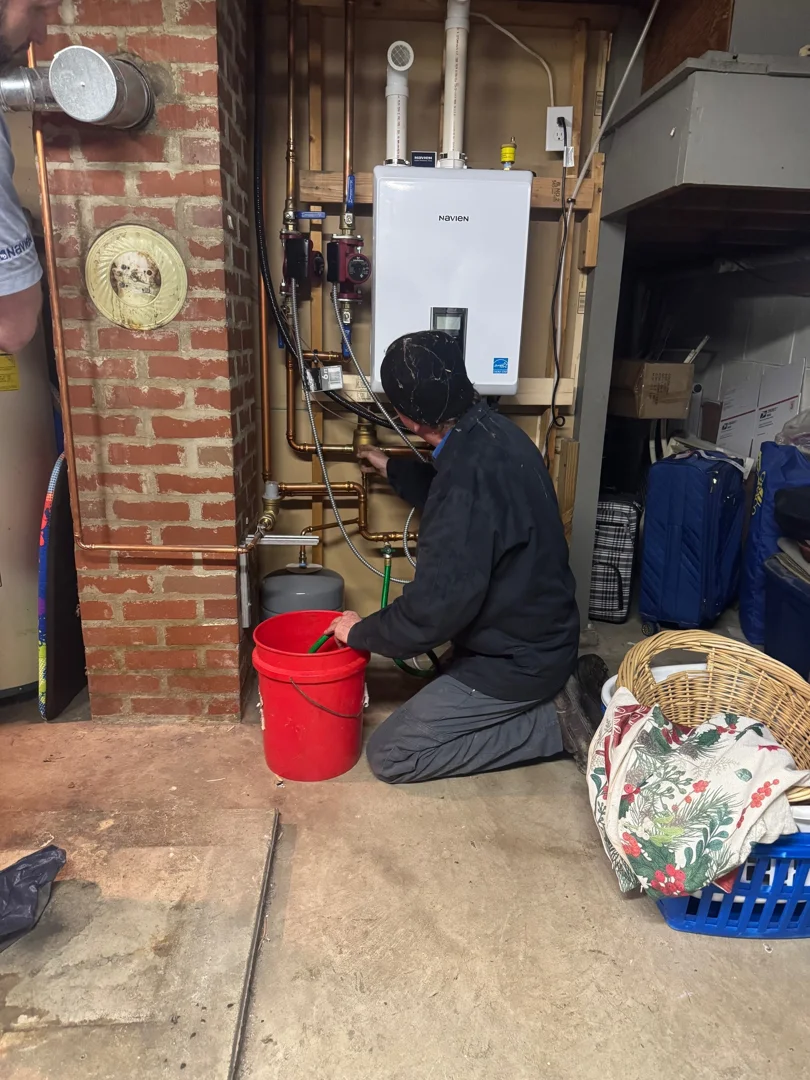
The Mechanics of Restricted Flow and Tuberculation
To understand why your shower feels more like a light drizzle than a refreshing soak, we have to look at the "effective bore" of your pipes. When we install a 3/4-inch galvanized pipe, it has a clear, smooth path for water. However, as iron oxide deposits (rust) build up, that path narrows.
Research shows that a 3/4-inch galvanized line can corrode to an effective bore of under 1/4 inch. If you imagine trying to drink a milkshake through a tiny coffee stirrer versus a wide straw, you’ll understand the physics of solving low water pressure issues from plumbing. The pump or municipal supply might be pushing water at the correct pressure, but the physical blockage inside your pipes creates so much friction and resistance that the pressure drops significantly by the time it reaches your tap.
Furthermore, internal corrosion accounts for approximately 60% of all pipeline incidents caused by corrosion. With 240,000 water main breaks occurring annually across the U.S., it’s clear that this is a widespread infrastructure crisis that doesn't stop at your property line.
How pipe corrosion leads to leaks and low pressure in older Springfield homes
Springfield is home to many beautiful, historic properties, but these older homes often harbor a hidden secret: galvanized steel plumbing. If your home was built before 1960, there is a high probability that your pipes are reaching the end of their natural lifespan.
Galvanized pipes were coated with zinc to prevent rust, but after 50 or 60 years, that zinc layer has almost certainly dissolved. Once the underlying steel is exposed to Springfield’s water, it begins to rust rapidly. This leads to massive mineral scale buildup. When these old pipes finally fail, they don't just leak—they can rupture. If you experience a sudden loss of water or a flooding event, you may need burst pipe repair in Springfield, IL to stabilize the situation.
Identifying how pipe corrosion leads to leaks and low pressure before disaster strikes
You don't need X-ray vision to see what's happening inside your walls. Your plumbing system gives you several "early warning" signals that how pipe corrosion leads to leaks and low pressure is becoming an active problem in your home:
• Discolored Water: If the first few seconds of water from your tap look brown, orange, or reddish, you’re looking at rusted iron from galvanized pipes. If the water or your fixtures have blue-green stains, your copper pipes are corroding.
• Metallic Taste or Odor: Water that tastes like a handful of pennies is a classic sign of metal leaching into your supply.
• Fluctuating Temperatures: Corrosion can damage the anti-scald mechanisms in your valves or clog the intake screens on your water heater, leading to "shower shock" when someone flushes a toilet.
• Visible Residue: Check the aerators on your faucets. If you find small bits of rust or white, chalky mineral flakes, your pipes are disintegrating from within.
Recognizing these symptoms early allows you to identify and fix water pressure problems before a pipe bursts while you're at work or on vacation.
Pitting vs. Uniform Corrosion: The Path to Pipe Failure
Not all corrosion looks the same. Understanding the difference between pitting and uniform corrosion is vital for deciding whether you need a quick fix or a total system overhaul.
Uniform Corrosion occurs evenly across the entire surface of the pipe. It thins the pipe walls gradually over decades. While it leads to eventual failure, it is more predictable.
Pitting Corrosion is far more dangerous. This is a localized form of corrosion that creates deep, narrow cavities in the metal. Pitting can perforate a copper pipe wall as thin as 0.032 inches much faster than uniform corrosion would. These tiny "pinhole failures" are responsible for a huge percentage of burst pipe repair calls. Because the rest of the pipe might look fine on the outside, pitting is often a "silent" threat until the drywall starts to sag.
Internal corrosion is the primary culprit in 60% of pipeline failures, and in residential settings, the percentage is often higher due to the smaller diameter of the pipes.
Long-Term Prevention and Remediation Strategies
If you are dealing with the effects of aging pipes in Chatham or Rochester, you have several paths forward. Preventing further damage starts with understanding your water chemistry. High water velocity, acidic pH levels (below 7), and high oxygen content all accelerate the rusting process.
• Galvanized Steel — Average Lifespan: 40-60 Years — Corrosion Resistance: Low (prone to internal rust)
• Copper — Average Lifespan: 50+ Years — Corrosion Resistance: Medium (sensitive to acidic water)
• PEX (Cross-linked Polyethylene) — Average Lifespan: 40-50 Years — Corrosion Resistance: High (does not rust or pit)
• PVC/CPVC — Average Lifespan: 50-75 Years — Corrosion Resistance: High (immune to electrochemical corrosion)
One of the most effective long-term solutions for a home riddled with corrosion is repiping in Springfield, IL. Modern materials like PEX are highly resistant to the chemical reactions that destroy metal pipes.
For smaller preventative steps, we often recommend:
1. Installing Dielectric Unions: These fittings prevent "galvanic corrosion," which happens when two different metals (like copper and steel) touch each other.
2. Water Softeners and Filters: Removing aggressive minerals and balancing pH can slow down the rate of chemical attack.
3. Pressure Regulators: Keeping your home’s pressure at around 45-55 PSI prevents "erosion corrosion," where high-velocity water literally wears away the inside of your pipes.
Frequently Asked Questions about Pipe Corrosion
What are the most common signs of pipe corrosion in Chatham?
In Chatham, we frequently see discolored water and a distinct metallic odor. Because many homes in the area utilize older infrastructure, "tuberculation" (rust buildup) often leads to a noticeable drop in water pressure during peak usage hours, like early morning. You might also notice rusty water from your taps in Chatham after the water has been sitting unused overnight, as the rust has had time to settle and concentrate.
How does water chemistry affect my pipes in Rochester?
Water chemistry is the "fuel" for corrosion. In Rochester, factors like dissolved oxygen and pH levels play a huge role. If your water is slightly acidic (a pH below 7), it acts as a solvent, slowly dissolving the metal of your pipes. Plumbers use the Langelier Saturation Index (LSI) to determine if water is "scale-forming" (causing buildup) or "corrosive" (dissolving pipes).
When should I replace rather than repair corroded pipes?
We generally recommend replacement over repair when you have:
• Widespread Pitting: If you have more than one or two pinhole leaks in a single year, the entire pipe run is likely compromised.
• Aging Galvanized Lines: If your home still relies on pre-1960s galvanized steel, a repair is just a temporary bandage on a systemic problem.
• Significant Pressure Loss: If cleaning your aerators doesn't fix your low pressure, the internal bore of the pipes is likely too restricted to save.
Conclusion
At Allied Plumbing, Heating & Cooling, we’ve seen how how pipe corrosion leads to leaks and low pressure can turn a comfortable home into a stressful construction zone. Since 1977, our 3-generation family business has been helping homeowners in Springfield, Rochester, and Chatham navigate these plumbing challenges.
Corrosion may be a silent process, but it doesn't have to be a catastrophic one. With professional inspection and early intervention, you can protect your home's structural integrity and ensure your family has a reliable, clean water supply for years to come. Whether you need a simple pressure test or a full home repipe, we stand by our work with the Daikin Comfort Promise and decades of local expertise.
Don't wait for a puddle to appear on your floor. Contact our Springfield plumbing experts today to schedule a comprehensive plumbing health check and restore the water pressure you deserve.